
Cutting hard materials has always been a challenge in construction and manufacturing. Over time, tools have improved to meet the demand for cleaner and faster cuts. Among these tools, diamond blades stand out for their strength and precision. They are used in many industries, from road work to tile installation, and they continue to evolve with better designs.
How Diamond Blades Work
Diamond blades do not cut like regular saw blades with teeth. Instead, they grind through material using tiny industrial diamonds embedded in the edge. These diamonds are extremely hard, which allows the blade to cut through concrete, stone, and even asphalt. The bonding material around the diamonds slowly wears away, exposing new sharp edges during use.
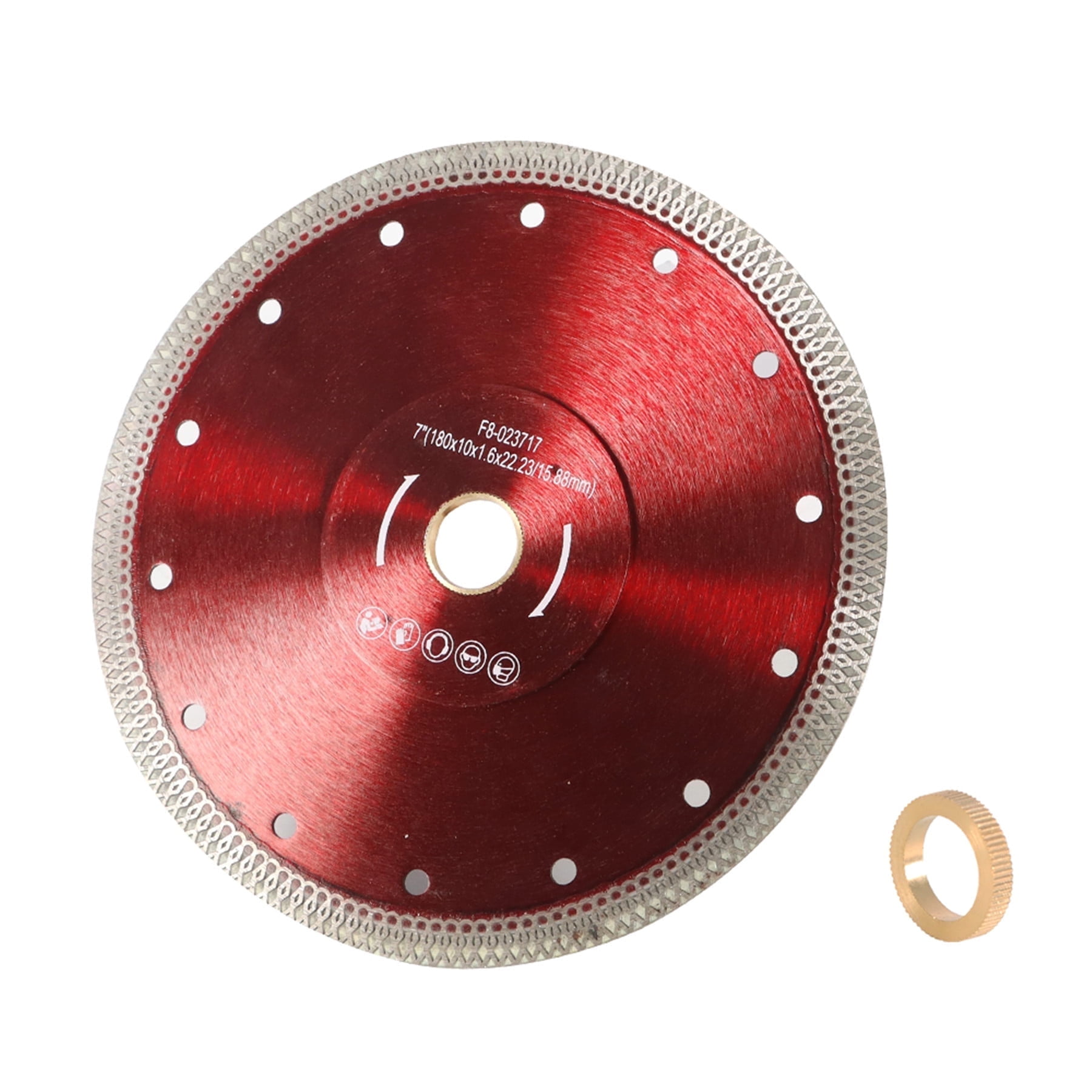
The process is simple but effective. As the blade spins at high speed, friction removes small particles from the surface being cut. This action creates a smooth and precise cut, which is why many professionals prefer this type of tool. Heat is also generated during cutting, so water or air cooling is often used to protect the blade and improve performance.
Types and Uses of Diamond Blades
There are several types of diamond blades, each designed for a specific task and material. For example, segmented blades are used for rough cuts in concrete, while continuous rim blades are better for smooth tile work. Turbo blades offer a mix of speed and clean cutting, making them popular for general use. Each type serves a different purpose.
Many professionals rely on trusted suppliers for quality tools, such as Diamond Blades that are designed for durability and consistent performance in demanding jobs. Choosing the right blade can make a big difference in both safety and efficiency. A poor choice can lead to uneven cuts or faster wear. That matters a lot.
Here are a few common uses:
Road cutting projects often use large blades over 14 inches in diameter. Tile installers prefer smaller blades around 7 inches for accuracy. Masonry work requires strong blades that can handle dense materials. Each job needs the right tool.
Factors That Affect Performance
Several factors influence how well a diamond blade performs during cutting tasks. The hardness of the material being cut plays a major role, as softer materials can wear the blade differently than harder ones. Speed also matters, because running a blade too fast or too slow can reduce its lifespan. Proper setup is essential.
Another important factor is the bond type that holds the diamonds in place. A soft bond works best for hard materials because it exposes new diamonds quickly, while a hard bond is better for softer materials. Using the wrong bond can slow down cutting and increase wear, which may lead to higher costs over time and less consistent results on the job site.
Blade size and equipment compatibility also matter. A 12-inch blade will behave differently from a 16-inch one, especially when used on different machines like handheld saws or large walk-behind units. Careful selection ensures better results and reduces the chance of damage.
Maintenance and Safety Tips
Taking care of diamond blades is important for long-term use and safety. Cleaning the blade after use can remove debris that may affect future performance. Storing blades in a dry place helps prevent rust and damage to the metal core. Small steps matter.
Operators should always wear protective gear such as gloves, goggles, and ear protection when using cutting tools. Checking the blade for cracks or damage before starting a job can prevent accidents. Running the blade at the recommended speed ensures smoother operation and reduces the risk of overheating or failure during cutting tasks.
Proper handling makes a difference. Never force the blade through material, as this can cause uneven cuts or even breakage. Let the tool do the work while maintaining steady pressure.
Diamond blades are powerful tools that deliver clean cuts and long-lasting performance when used correctly. With the right choice, proper care, and attention to safety, they can handle a wide range of cutting tasks efficiently. Their role in construction and industry continues to grow as new materials and technologies emerge.